
If you haven't tried sprouting chickpeas before, this is a lovely place to start. As the chickpea begins to germinate, enzymes become active and some of the compounds that can interfere with mineral absorption, such as phytate, can be reduced. Research also suggests that sprouting can improve aspects of protein digestibility and nutrient availability.
Read moreSupergreen Pesto Recipe with Kiki Superfood Blend
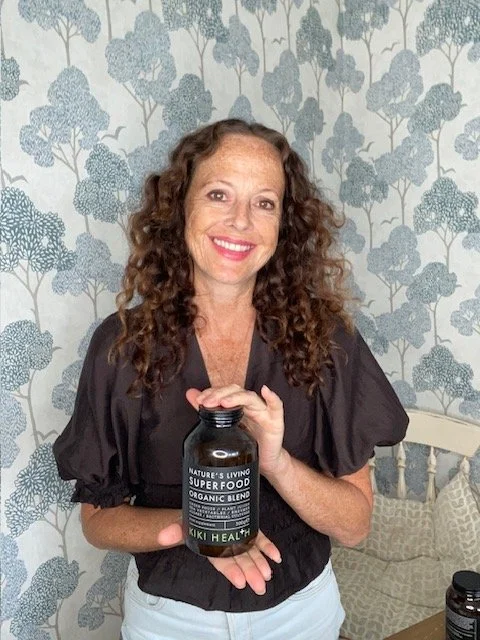
This is a recipe I love because it’s bursting with alkalising greens. The KIKI Health supplement (available from the incredible wellness platform W-Wellness – use my code belle15 for a discount) truly elevates the nourishment of the pesto, as it’s rich in sea vegetables, algae, enzymes and green plants. It can be used either as a dip or as a sauce - use less water for a thicker dip, or a little more if you’re aiming for a looser, pasta-style sauce.
Read moreBlue Health: Why We Feel Better by the Sea

The sea seems to have a remarkable ability to put us back together.
Perhaps it is the vast horizon stretching beyond the limits of our everyday concerns, pulling the gaze outward instead of inward. Perhaps it is the rhythmic crash of waves, nature’s own form of meditation, or the salt-laden air that instinctively draws us into deeper, slower breaths. Whatever the mechanism, there is something profoundly regulating about being beside the ocean.
I notice it physically before my mind recognises the shift. My shoulders soften. My breathing changes. The internal hum of planning, remembering, anticipating, that low-grade static of modern life begins to fade, as though someone has gently lowered the volume.
Researchers have now defined this effect: Blue Health.
Read moreBrain Fog in Midlife: Why Does My Brain Feel Different?

Feeling foggy, forgetful or not quite yourself? Brain fog is common during midlife, but it’s not simply “getting older”. Discover how changing hormones, nutrition and brain health are connected and what you can do to support clearer thinking.
Read moreCreatine for Women: The Benefits, Myths and Science

Creatine sits at the intersection of performance, physiology, and cognition, with research exploring its role in cellular energy metabolism, alongside its effects on hydration, kidney health, and mental performance.
The status of creatine has moved from the preserve of elite athletes or bodybuilders to a well-studied supplement in modern nutrition science. Yet for women in particular, there remain misconceptions, from concerns about water retention to uncertainty around long-term safety.
Read moreNatch: Redefining Oral Care for a Healthier Future

Introducing NATCH oral hygiene tablets. One of my absolute go to’s when travelling. Small, packable and effective. Never will you want to use toothpaste again!
In a crowded world of toothpaste tubes, whitening promises, and ‘do not swallow formulas, Natch Labs stands for something very different. At its core, Natch isn’t just a toothpaste alternative, it is a rethinking of what oral care should be.
Read moreWhy Morning Sunlight May Be One of the Most Underrated Tools for Better Sleep

As part of Sun Awareness Week (6th–12th May), it is worth revisiting one of the simplest and most overlooked health interventions available to us: morning daylight exposure.
A growing body of research continues to show that light exposure plays a central role in regulating our circadian rhythm, the body’s internal 24-hour clock that influences sleep, energy, appetite, hormone balance and metabolism.
Read moreSupplements I’m packing for my Health Retreat
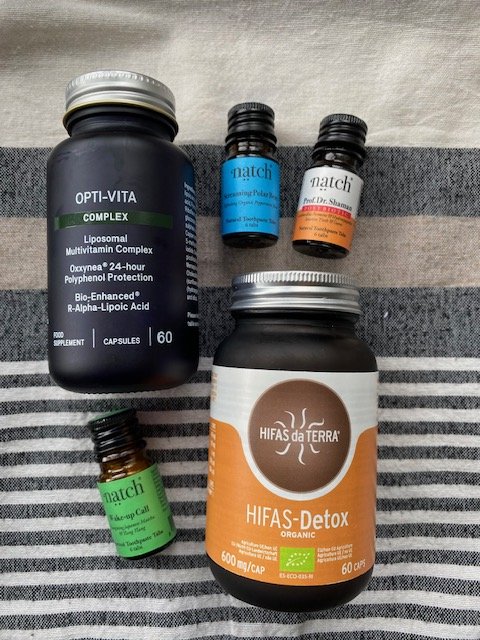
I travel light. Space is tight when packing for a health retreat so supplements that find their way into my flight bag are always chosen carefully, Here are 3 which I’m prioritising.
Read moreEnvironmental Exposures, Women’s Health and What We Can Do About It
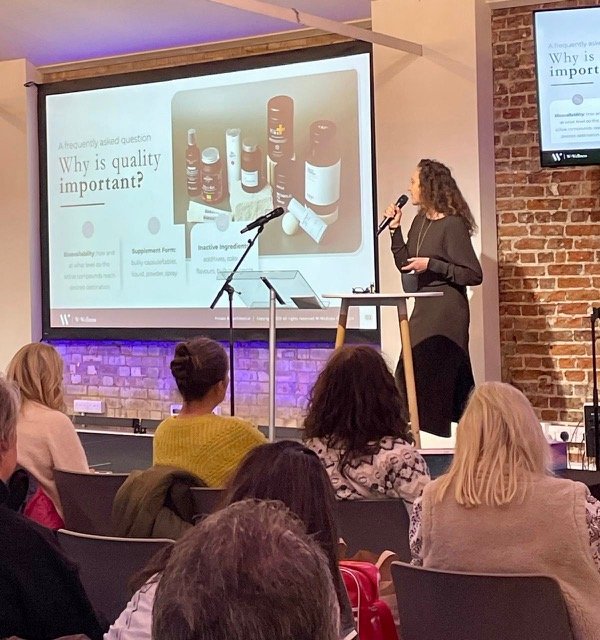
Last weekend I had the pleasure of speaking at a practitioner event in London on the topic of Balancing Female Hormones. One area I focused on was something that is gaining increasing attention in research: the interaction between environmental exposures, cellular stress and long-term women’s health.
Women today are exposed to a surprisingly large number of synthetic chemicals through daily life. Estimates suggest the average woman may encounter around 140 different chemicals each day, largely through personal care products, cosmetics, plastics, UV filters and household products.
At the same time, women account for around 65% of Alzheimer’s diagnoses worldwide.
Read more8 Top Strategies for Natural Weight Loss Without Medication
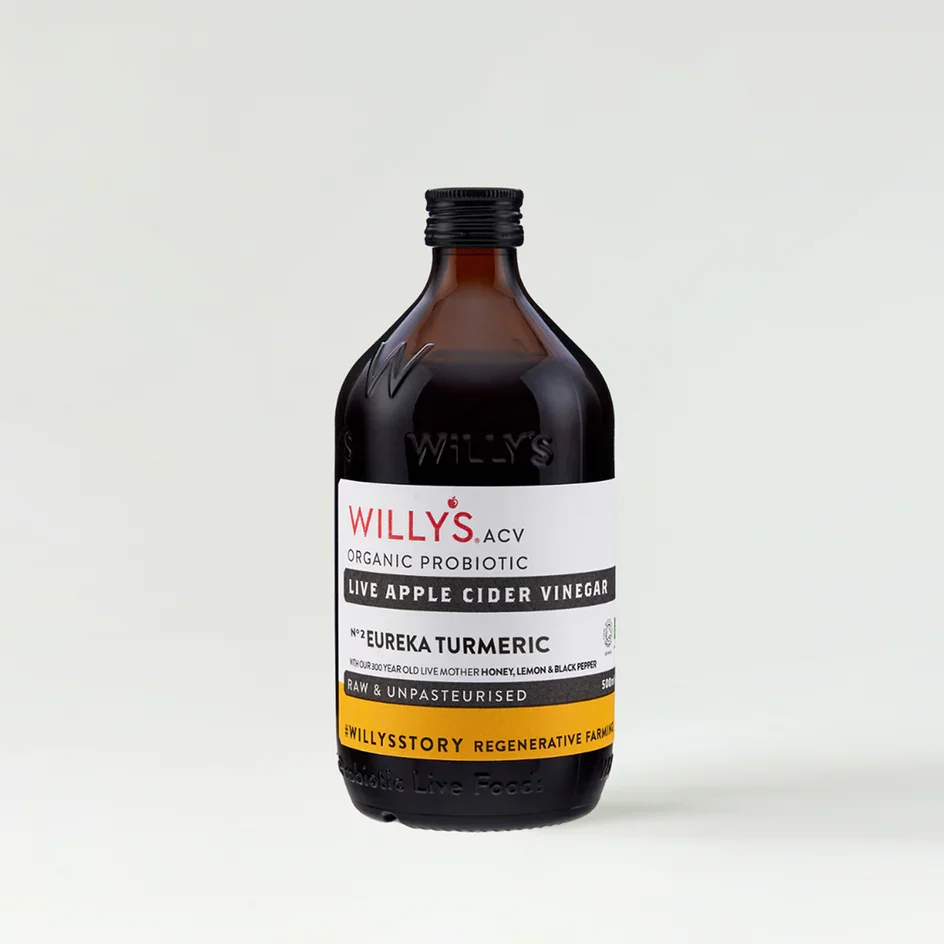
Natural weight loss is not about restriction, calorie counting or willpower. It is about working with your body’s appetite signals, blood sugar response and natural fullness cues. When meals are structured to include adequate protein, fibre and healthy fats, and eating is limited to defined meal times, hunger and cravings naturally reduce. Simple habits such as overnight fasting, portion awareness and the use of appetite supporting foods and drinks can further enhance results. This approach focuses on sustainable, non medicated strategies that help quiet food noise, support metabolic health and promote long term weight management.
Read moreCoffee, Redefined : Morning Rituals With Balance
For many of us, coffee is a morning staple, its what gets us out of bed. But as we know, the highs and subsequent crashes can affect energy, mood, and focus. As nutrition professionals, we often see clients seeking a smoother, more balanced alternative without giving up ritual, flavour, or a mental boost.

Coffee, Redefined
That caffeine hit can feel like the anchor to our morning routine, the signal that the day has started, and often the first moment of pause before work, family, or responsibilities take over. As nutrition professionals, we understand that coffee itself is not inherently problematic but the overuse and dependency often is.
Repeatedly, we see clients relying on caffeine to override poor sleep, unstable blood sugar, or chronic stress. The result is familiar: a sharp rise in energy and focus, followed by jitters, anxiety, digestive discomfort, and the inevitable mid-morning or afternoon crash. Over time, this pattern can contribute to dysregulated cortisol rhythms, impaired sleep quality, and increasing caffeine dependence.
The challenge, then, is not to remove coffee entirely, but to redefine the ritual whilst still preserving flavour, comfort, and cognitive support, and reducing the physiological cost.
Why Ritual is important
Coffee is rarely just about caffeine. It’s about warmth, habit, aroma, social connection, and a moment of grounding. Is it realistic to ask clients to “just stop drinking coffee” ? If so, we often remove a behavioural anchor without offering a replacement. This is why low- or non-caffeinated alternatives that still feel purposeful can be far more effective than elimination alone. Plus ‘cold turkey’ caffeine withdrawal is no fun.
From a clinical perspective, supporting energy through steadier blood sugar, adequate protein intake, micronutrient sufficiency, and stress resilience creates a foundation for focus that doesn’t rely on stimulation alone. Functional coffee alternatives can then complement this foundation rather than compensate for its absence.
Mushroom Coffee as a Middle Ground
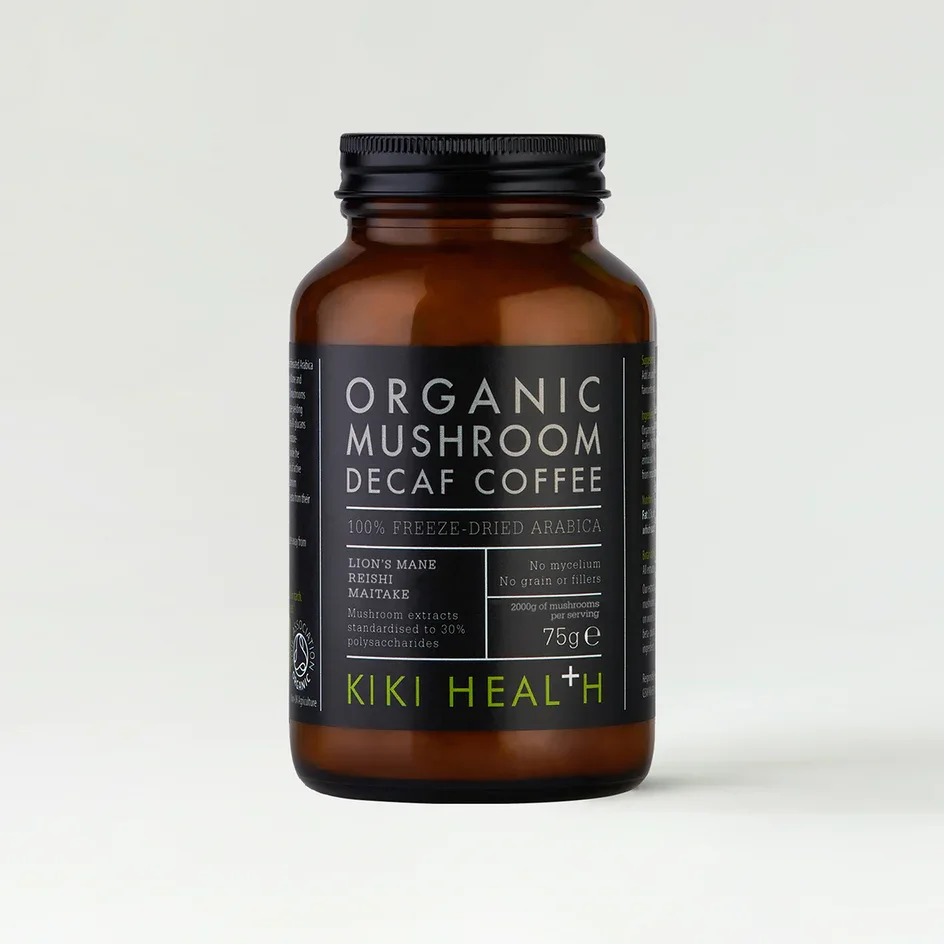
Products such as KIKI Health Organic Mushroom Coffee offer an interesting middle ground for those who want to reduce caffeine without losing the experience of coffee. By combining organic caffeinated or decaffeinated coffee (there are two types) with functional mushrooms, these blends aim to support mental clarity and resilience while minimising the peaks and troughs associated with standard caffeine intake.
Medicinal mushrooms such as Lion’s Mane are traditionally used to support cognitive function and are increasingly explored for their role in neurological health and stress adaptation. They are not stimulants, so may support focus and mental performance in a more subtle, nourishing way. For clients sensitive to caffeine, or those working on improving sleep quality and nervous system regulation, this type of alternative can be a valuable stepping stone.
Importantly, decaffeinated mushroom coffee still allows clients to participate in the social and sensory aspects of coffee something many find psychologically supportive during lifestyle change.
Supporting Energy: The Role of Maca
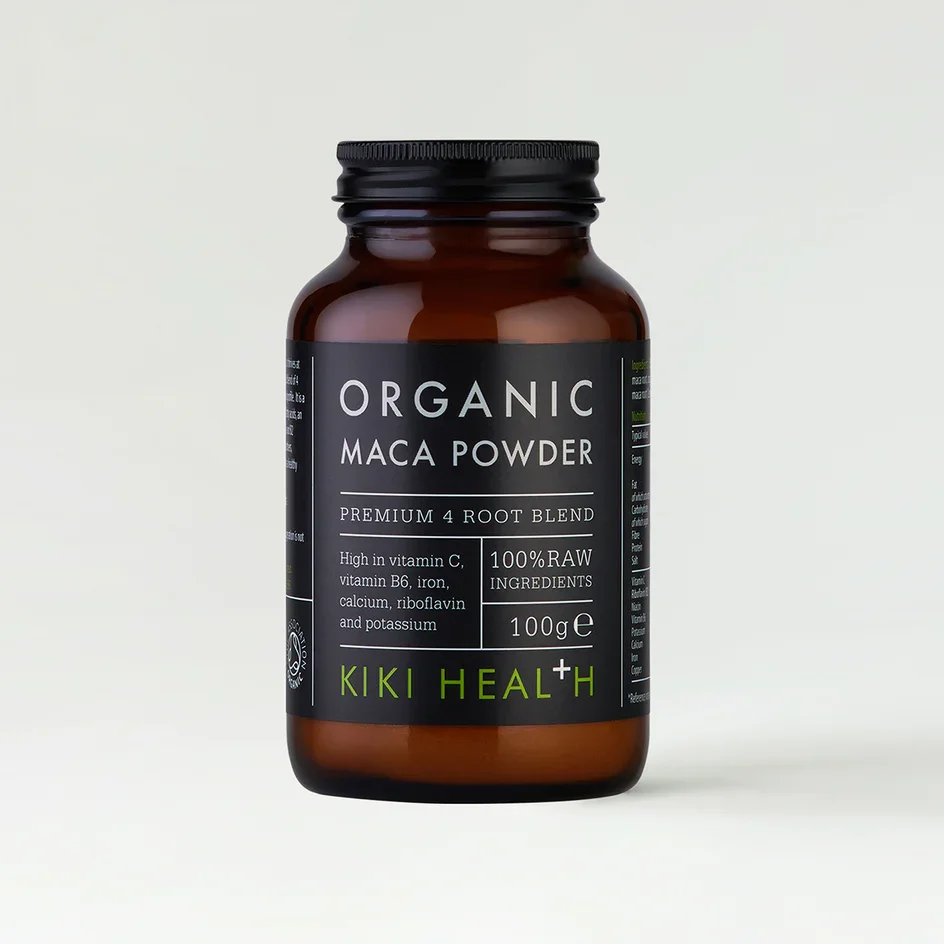
Alongside coffee alternatives, Organic Maca Powder can play a complementary role in supporting energy and vitality. Maca is not a stimulant, but rather a nutrient-dense root traditionally used to support stamina, mood, and hormonal balance. From a nutritional standpoint, it fits well within a framework focused on adaptation rather than stimulation.
When incorporated into smoothies, warm drinks, or breakfast bowls, maca can help clients feel supported energetically without triggering the stress response associated with high caffeine intake. This makes it particularly useful for individuals experiencing fatigue alongside hormonal fluctuations, high training loads, or chronic stress.
From Stimulation to Support
As nutrition therapists and health professionals, our role is to help clients gather healthy, balanced energy tools. We shift the focus from short-term stimulation to long-term nourishment, supporting mitochondrial function, cognitive resilience, and stress tolerance through diet, lifestyle, and carefully chosen supplements.
Well thought out alternatives such as decaffeinated mushroom coffee and functional plant powders allow clients to transition away from reliance on caffeine while maintaining rituals that feel familiar and enjoyable. When combined with adequate protein, balanced meals, restorative sleep, and stress management, these tools can help create calmer mornings, steadier focus, and more resilient energy throughout the day.
Ultimately, redefining coffee is not about deprivation. It’s about choosing new rituals that nourish the body rather than challenge it.
Products available from https://w-wellness.co.uk/products
Longevity: Thriving Through Every Decade of Life

Longevity: Thriving Through Every Decade of Life
Longevity is not just a buzzword. It’s becoming one of the most talked-about topics in health and wellness today. While discussions about digestion, hormones, or menopause are common, longevity focuses on something bigger: thriving through every decade of life. It’s about more than just adding years, it’s about adding vitality, resilience, and quality to those years. Read on to learn more about what a ‘longevity consultation’ could involve.
Read moreApple Cider Vinegar: What the Research Says About Blood Sugar, Hunger & Festive Eating

The wonders of ACV are often discussed as a new phenomenon. But it’s history goes further back than recent times.
I recall hearing about vinegar “weight loss tool” as playground chatter back in the 80s.
Scientific papers on vinegar and blood sugar appear as early as the 1940s and 1950s, with more structured human studies emerging through the 1970s–1990s. Many of the “modern” insights we discuss today such as improved insulin sensitivity and reduced post-meal glucose were being explored decades ago.
What’s changed is not the idea, but the quality of the research and the way it is being communicated to the public today.
So, here’s what we know based on both the older studies and the most recent evidence.
Read moreAre we Living the Fairy Tale of Alcohol? Here is why Mocktails Might Write a Better Ending
Read on for wo tasty mocktails with functional benefits I’ll be bringing into my festive routine. I’m not suggested abstinence but less alcohol means better sleep cycles, stronger synaptic resilience and preserved brain structure.
Read moreAuthenticity as a Longevity Hack: What Gen Z is Teaching Us
Could being ourselves actually contribute to a longer, healthier life?
For many of us over 50, life came with an unspoken rulebook: keep things tidy, predictable and acceptable. Urged to follow the path of education, steady job, marriage, children; the well-worn routine on repeat. Did we question the structure, or quietly fitted ourselves into it?
Individuality was not overly celebrated, it was more ‘managed’. Then along came Gen Z and they simply opted out of the script. Or did we teach them to?
They’ve normalised the outsider. The non-conformist is credible. And stepping to the side of the mould is an entirely comfortable direction to take.
Read moreSleep - The Ultimate Longevity Tool

“Less sleep does not get more done. It just shrinks the value of what’s happening.” – Bryan Johnson
Read moreWhat is chlorophyll and how does it benefit humans?

Chlorophyll is important for humans beyond sustaining plant life. The utilization of medicinal green plants has a long history, dating back to ancient times, with its practice spanning across different regions globally. Read on for some motivation on why we should include green plants in our daily food plan and discover a delicious green juice recipe.
Read moreSpring Clean your Wellness Routine – Out with Old and in with the New

Spring has arrived. Historically, this season symbolises new beginnings and the prospect of growth. It is a fabulous time to embrace change, to reflect and to recognise any less healthy habits which have crept in over the winter. Here are 3 ideas on wellness areas which commonly need a reset. Let’s stride through this season of renewal with a spring in your step.
Read moreThe Blue Zones. What can we learn from these Long-lived populations?
What can we learn from the Blue Zones. In these longevity zones, a notable number of inhabitants live well into their nineties alongside record numbers of centenarians. But it is not only the length of their lives which is striking, but the considerably lower recorded incidence of the diseases seen in the United States and other more Westernised areas of the world. Comparisons on conditions including Type 2 Diabetes, cardiovascular disease and cancer are staggering
Read moreAkkermansia Muciniphila, Polyphenols and Longevity
How can the gut microbiome play a key role in facilitating healthy aging? Researchers are seeking to identify the precise mechanisms by which our microbes can help us to live longer. Read on to explore the research and understand how adding delicious polyphenol rich foods to your diet may contribute to healthy ageing from gut level.
Read more
Quisque iaculis facilisis lacinia. Mauris euismod pellentesque tellus sit amet mollis.