
For many of us, coffee is a morning staple, its what gets us out of bed. But as we know, the highs and subsequent crashes can affect energy, mood, and focus. As nutrition professionals, we often see clients seeking a smoother, more balanced alternative without giving up ritual, flavour, or a mental boost.

Coffee, Redefined
That caffeine hit can feel like the anchor to our morning routine, the signal that the day has started, and often the first moment of pause before work, family, or responsibilities take over. As nutrition professionals, we understand that coffee itself is not inherently problematic but the overuse and dependency often is.
Repeatedly, we see clients relying on caffeine to override poor sleep, unstable blood sugar, or chronic stress. The result is familiar: a sharp rise in energy and focus, followed by jitters, anxiety, digestive discomfort, and the inevitable mid-morning or afternoon crash. Over time, this pattern can contribute to dysregulated cortisol rhythms, impaired sleep quality, and increasing caffeine dependence.
The challenge, then, is not to remove coffee entirely, but to redefine the ritual whilst still preserving flavour, comfort, and cognitive support, and reducing the physiological cost.
Why Ritual is important
Coffee is rarely just about caffeine. It’s about warmth, habit, aroma, social connection, and a moment of grounding. Is it realistic to ask clients to “just stop drinking coffee” ? If so, we often remove a behavioural anchor without offering a replacement. This is why low- or non-caffeinated alternatives that still feel purposeful can be far more effective than elimination alone. Plus ‘cold turkey’ caffeine withdrawal is no fun.
From a clinical perspective, supporting energy through steadier blood sugar, adequate protein intake, micronutrient sufficiency, and stress resilience creates a foundation for focus that doesn’t rely on stimulation alone. Functional coffee alternatives can then complement this foundation rather than compensate for its absence.
Mushroom Coffee as a Middle Ground
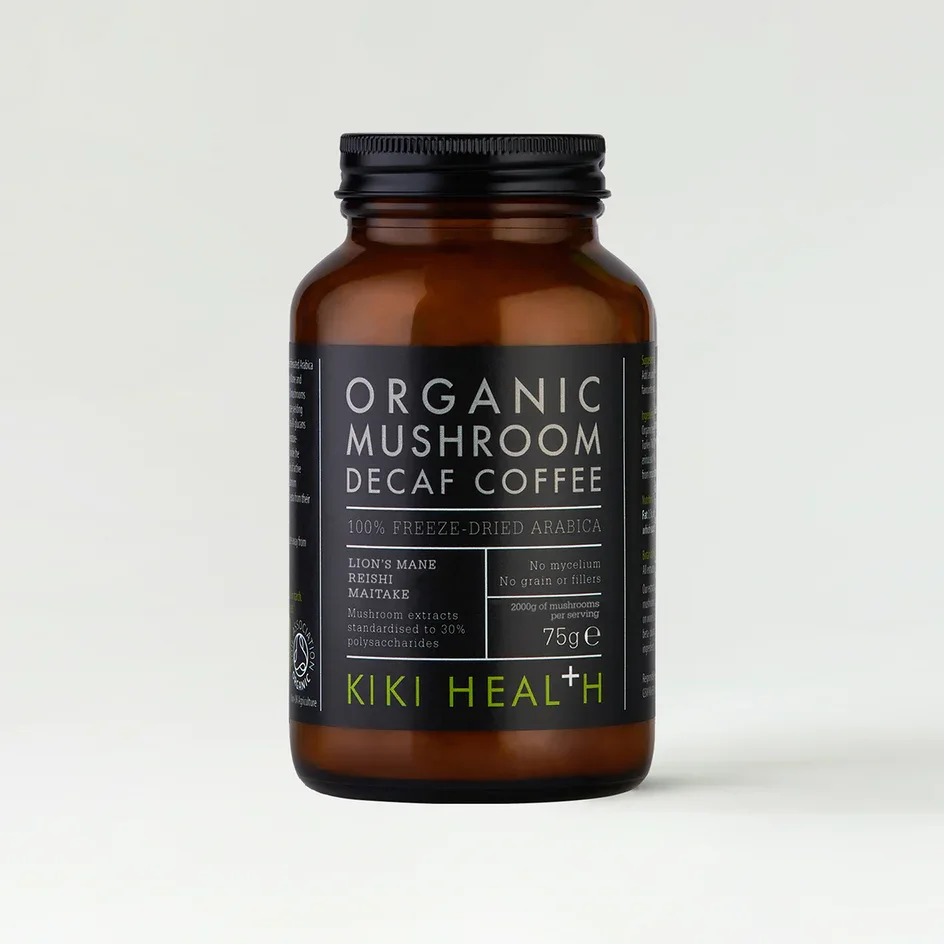
Products such as KIKI Health Organic Mushroom Coffee offer an interesting middle ground for those who want to reduce caffeine without losing the experience of coffee. By combining organic caffeinated or decaffeinated coffee (there are two types) with functional mushrooms, these blends aim to support mental clarity and resilience while minimising the peaks and troughs associated with standard caffeine intake.
Medicinal mushrooms such as Lion’s Mane are traditionally used to support cognitive function and are increasingly explored for their role in neurological health and stress adaptation. They are not stimulants, so may support focus and mental performance in a more subtle, nourishing way. For clients sensitive to caffeine, or those working on improving sleep quality and nervous system regulation, this type of alternative can be a valuable stepping stone.
Importantly, decaffeinated mushroom coffee still allows clients to participate in the social and sensory aspects of coffee something many find psychologically supportive during lifestyle change.
Supporting Energy: The Role of Maca
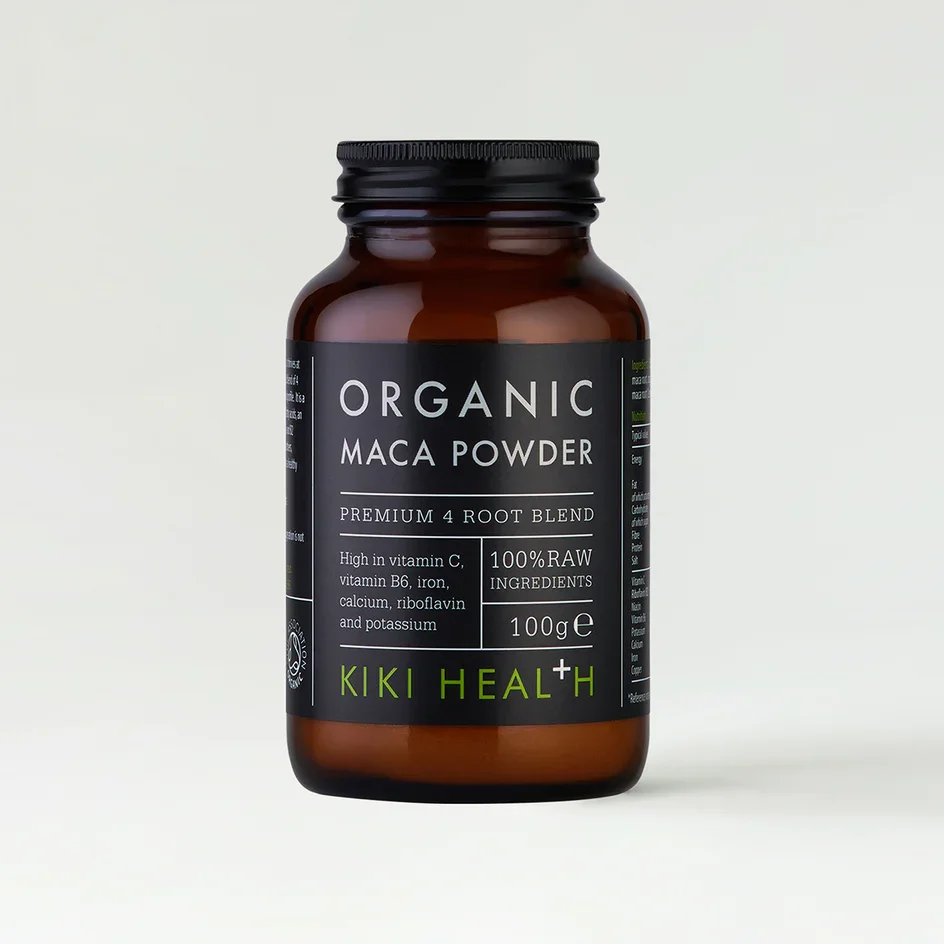
Alongside coffee alternatives, Organic Maca Powder can play a complementary role in supporting energy and vitality. Maca is not a stimulant, but rather a nutrient-dense root traditionally used to support stamina, mood, and hormonal balance. From a nutritional standpoint, it fits well within a framework focused on adaptation rather than stimulation.
When incorporated into smoothies, warm drinks, or breakfast bowls, maca can help clients feel supported energetically without triggering the stress response associated with high caffeine intake. This makes it particularly useful for individuals experiencing fatigue alongside hormonal fluctuations, high training loads, or chronic stress.
From Stimulation to Support
As nutrition therapists and health professionals, our role is to help clients gather healthy, balanced energy tools. We shift the focus from short-term stimulation to long-term nourishment, supporting mitochondrial function, cognitive resilience, and stress tolerance through diet, lifestyle, and carefully chosen supplements.
Well thought out alternatives such as decaffeinated mushroom coffee and functional plant powders allow clients to transition away from reliance on caffeine while maintaining rituals that feel familiar and enjoyable. When combined with adequate protein, balanced meals, restorative sleep, and stress management, these tools can help create calmer mornings, steadier focus, and more resilient energy throughout the day.
Ultimately, redefining coffee is not about deprivation. It’s about choosing new rituals that nourish the body rather than challenge it.
Products available from https://w-wellness.co.uk/products
