

Creatine sits at the intersection of performance, physiology, and cognition, with research exploring its role in cellular energy metabolism, alongside its effects on hydration, kidney health, and mental performance.
The status of creatine has moved from the preserve of elite athletes or bodybuilders to a well-studied supplement in modern nutrition science. Yet for women in particular, there remain misconceptions, from concerns about water retention to uncertainty around long-term safety.
What creatine is and how it works
Creatine is a naturally occurring compound synthesised in the body from amino acids and also obtained in small amounts through dietary sources such as red meat and fish. Approximately 95 percent is stored within skeletal muscle, where it plays a central role in the rapid regeneration of adenosine triphosphate (ATP), the body’s primary energy currency.
During high-intensity activity, ATP is depleted within seconds. ‘High intensity’ may conjure images of HIIT classes, as this term often brings physical exercise to mind, although it is worth remembering that the brain also consumes a significant amount of energy.
Creatine helps replenish energy stores more efficiently, supporting rapid energy availability across both muscular and neurological demands. In physiological terms, it acts less as a stimulant and more as an energy buffer, enhancing the body’s capacity to perform under periods of increased demand.
Benefits for women
While much of the early research on creatine was conducted in male populations, more recent evidence suggests women experience comparable, and in some contexts particularly relevant, benefits.
Strength, performance, and body composition
Creatine supplementation has been shown to enhance strength, power output, and training volume, particularly when combined with resistance exercise. For women, this does not translate into excessive muscular bulk, but rather improved training efficiency, lean muscle development, and more favourable body composition outcomes over time.
Hormonal life stages and muscle preservation
Women experience natural fluctuations in energy availability and muscle mass across the menstrual cycle, pregnancy, and menopause. Emerging research suggests creatine may support muscular function and training capacity during these transitions, particularly when physiological demands are heightened.
Cognitive performance and mental fatigue
Beyond its muscular effects, creatine plays a role in brain energy metabolism. The brain is highly energy dependent, and creatine contributes to maintaining ATP availability during periods of cognitive strain. Some studies suggest potential benefits for memory, attention, and resilience to mental fatigue, particularly in situations such as sleep deprivation or sustained stress, although this area of research continues to evolve.
Water retention and body composition
One of the most persistent concerns surrounding creatine relates to water retention. The nuance, however, is often lost in translation.
Creatine does increase total body water, but this occurs primarily through intracellular hydration, meaning water is drawn into muscle cells rather than stored beneath the skin. This distinction is important. Intracellular water supports cellular function, protein synthesis, and muscle performance, whereas subcutaneous water retention is what typically contributes to a “puffy” appearance.
In practice, some individuals may observe a modest increase in body weight during the initial phase of supplementation. This reflects increased muscle creatine stores and associated water uptake, rather than fat gain or visible bloating. For most, this stabilises once saturation is reached.
Safety and kidney health
In healthy individuals, creatine is considered one of the most well-researched and safest dietary supplements available, particularly at standard doses of 3 to 5 grams daily.
A key point of confusion lies in its relationship with creatinine, a metabolic by-product measured in blood tests to assess kidney function. Supplementation can raise creatinine levels without indicating kidney damage, which can sometimes complicate clinical interpretation.
For individuals with pre-existing kidney disease or impaired renal function, caution is warranted. In such cases, creatine supplementation is generally not recommended unless under medical supervision, not because it is inherently toxic, but because compromised kidney function may alter the body’s ability to manage this product effectively.
For healthy populations, long-term studies have consistently found no evidence of adverse effects on kidney function when used appropriately.
Creatine and cognitive clarity
Interest in creatine’s neurological effects has grown in recent years, particularly in relation to cognitive fatigue and “brain fog”.
The brain is metabolically demanding, relying heavily on ATP to sustain cognitive processes such as attention, working memory, and processing speed. Creatine contributes to maintaining cellular energy availability, particularly during periods of increased demand or reduced energy supply.
Research suggests potential cognitive benefits may be most noticeable under conditions of stress, sleep deprivation, or low dietary creatine intake, such as in vegetarian or vegan diets. While findings are not yet fully consistent, there is growing evidence that creatine may support mental resilience and reduce subjective fatigue in cognitively demanding contexts.
As interest in creatine continues to grow, formulation is also becoming an area of innovation. Meteron Labs Liposomal Creatine Monohydrate combines creatine monohydrate with a liposomal delivery system and CreaNeu®, a specialised creatine ingredient designed to support both physical performance and cognitive function.
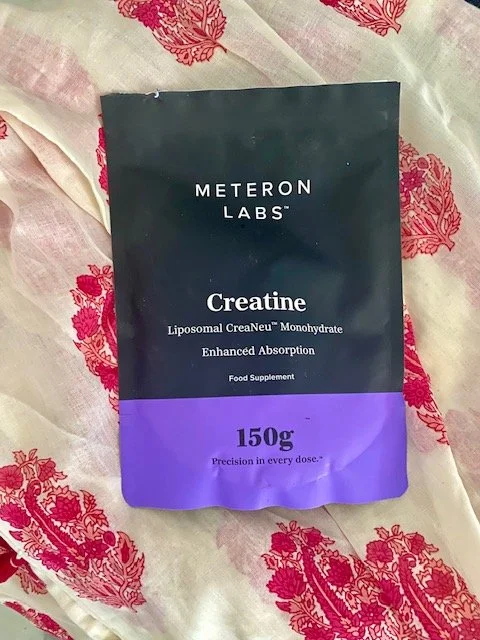
The use of creatine bridges physical performance and cognitive energy metabolism. Backed by extensive research, its safety profile in healthy populations is well established. Rather than a passing trend, we can consider creatine as a foundational compound that supports the body’s core energy systems.
